What Is a Good Life
What Is a Good Life…our perceptions differ
As we have stated on our front page; There is no definitive answer to what constitutes a good life, as different philosophers, religions, and cultures, have different perspectives on this question. Even you and I have precepts of what we think a good life is.
However, in our day and age, most of us are exploring the endless quest for a good life. Life can be a beautiful journey, filled with ups and downs, and we all strive to live it to the fullest. But what exactly makes a life good?
Is it the accumulation of wealth and possessions, or is there something more profound that defines a life well-lived? We delve into the principles of a good life and discover valuable insights into living a fulfilling and meaningful existence.
Learning from History: Lessons on a Good Life
Some common themes that have emerged in the history of human thought are morality, pleasure, reason, and harmony. Here are some examples of how different sources have approached the question of the good life:
- Plato and Socrates argued that the good life is one of virtue, where one lives according to reason and justice, and avoids the temptations of wealth, power, and pleasure. They also believed that the good life is rewarded in the afterlife, where the virtuous enjoy eternal bliss and the wicked suffer eternal punishment.
- Epicurus and the hedonists claimed that the good life is one of pleasure, where one seeks to maximize the enjoyment of the senses and minimize the pain and anxiety of the body and mind. They also advocated for a simple and moderate lifestyle, avoiding excesses and attachments that could disturb one’s tranquility.
- Aristotle and the eudaimonists proposed that the good life is one of happiness, where one fulfills one’s potential and exercises one’s rational faculties. They also emphasized the importance of moral virtues, such as courage, generosity, and friendship, as well as intellectual virtues, such as wisdom, creativity, and curiosity2.
- Carl Rogers and the humanists suggested that the good life is one of growth, where one strives to become more authentic, self-actualized, and congruent with one’s true self. They also stressed the need for psychological freedom, unconditional positive regard, and empathy, as well as the value of personal experience and choice.³
- Various religions and spiritual traditions have also offered their visions of the good life, often based on the belief in a transcendent reality, a divine plan, or a cosmic order. Some common elements among these visions are faith, obedience, worship, service, compassion, and salvation.
As you can see, the question of the good life is not easy to answer, and it may depend on your values, beliefs, and preferences. However, exploring the different perspectives that history has provided can help you put into perspective what you believe is A Good Life.
Understanding the Meaning of a Good Life
Understanding the meaning of a good life, even though many professionals have tried to explain their philosophy, is not explicit. Nor does it mean that you or I understand or agree with all of their perceptions.
Here are some of our thoughts that we have researched, and believe in, What Makes Up a Good Life:
- The good life is not a fixed state, but a process of growth, self-development, and self-actualization. It involves finding one’s authentic self and pursuing one’s true potential.1
- The good life involves experiencing positive emotions, such as happiness, joy, and satisfaction, as well as avoiding negative ones, such as pain, anger, and boredom. However, it also requires accepting the inevitable challenges and difficulties that life brings and learning from them.2
- The good life involves engaging in meaningful activities and work that contribute to one’s personal goals, values, and passions. It also involves having loving relationships with others, such as family, friends, and partners, and belonging to a supportive community
- The good life involves developing one’s strengths and virtues, such as wisdom, courage, compassion, and creativity. It also involves making a positive difference in the world through altruism, service, or social justice.
- The good life is also dynamic and evolving, as one’s needs and goals may change over time. Therefore, the best way to understand the meaning of a good life is to reflect on your values, interests, and purpose, and to seek ways to enhance them in daily life4
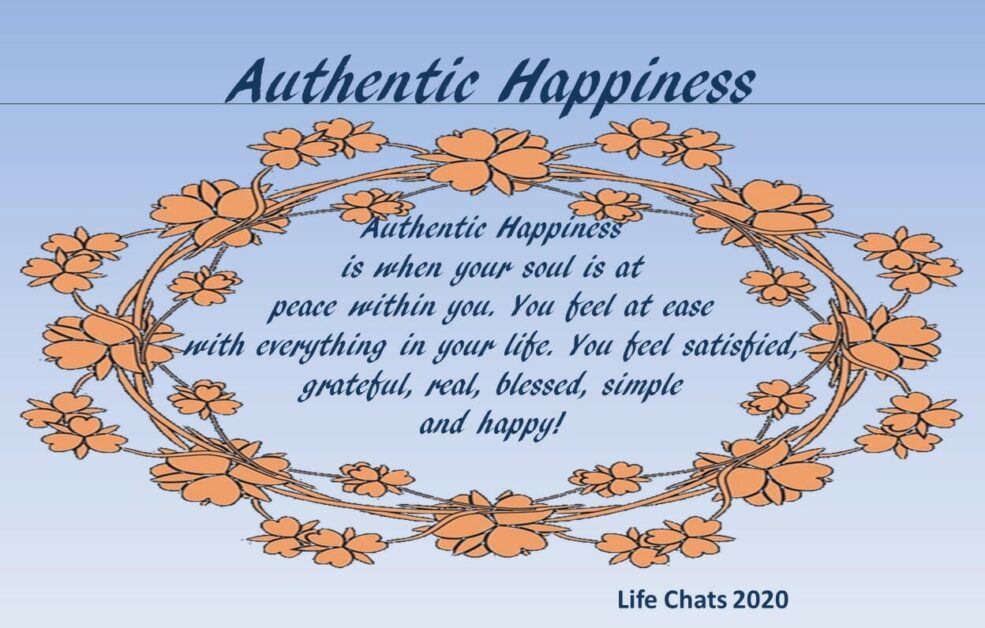
- Rather than seeking happiness outside of ourselves, it is important to cultivate it from within by nurturing positive thoughts, practicing gratitude, and embracing the values that contribute to a good life.
Of course, these are not the only aspects of the good life, and different people may prioritize them differently. As we have already mentioned, the good life is ultimately a personal and subjective experience that depends on one’s individual preferences, circumstances, and aspirations.
Principles For Living a Good Life
Principles for living a good life are general guidelines that can help people achieve happiness, fulfillment, and well-being. There is no definitive or universal list of such principles, as different people may have different values, beliefs, and goals in life. However, some possible principles that have been suggested by various sources are:
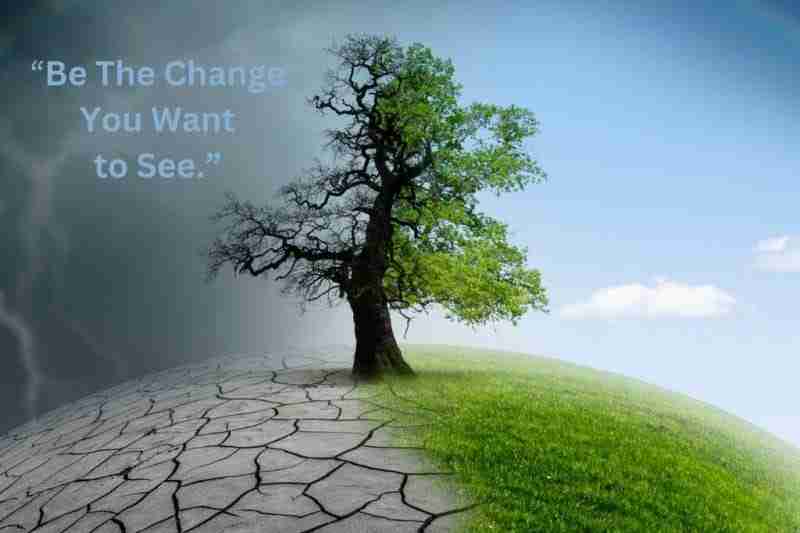
- Take responsibility for your life and your actions. Don’t blame others or make excuses for your failures, but learn from them and move on.
- Be grateful for what you have and don’t take anything for granted. Appreciate the small things and the big things, and express your gratitude to others.
- Pursue your passions and your purpose. Find out what makes you happy and what gives meaning to your life, and dedicate yourself to it. Don’t settle for less than you deserve or want.
- Cultivate positive relationships with others. Surround yourself with people who support you, inspire you, and challenge you. Be kind, respectful, and compassionate to everyone, and avoid toxic or negative people.
- Seek growth and learning. Always be curious and open-minded, and never stop improving yourself. Read books, take courses, travel, explore new ideas, and try new things.
- Practice moderation and balance. Don’t overindulge in anything that can harm you, such as alcohol, drugs, food, or entertainment. But don’t deprive yourself either, and enjoy life healthily and reasonably.
- Strive for excellence and integrity. Do your best in everything you do, and don’t compromise your standards or values. Be honest, reliable, and trustworthy, and expect the same from others.
- Contribute to the world and make a difference. Use your talents, skills, and resources to help others and to make a positive impact on society and the environment. Be generous, altruistic, and socially responsible.
These are just some examples of principles for living a good life, but you may have different thoughts on some of these. The important thing is to find out what works for you and to live by it consistently and authentically.
Summary:
References: What Is a Good Life –Learning from History Reference: Psychology Today ² Exploring Your Mind³ Understanding the Meaning of a Good Life: 1: What Is The Good Life & How To Attain It – PositivePsychology.com 2: What Is the Good Life? | Psychology Today 3: What We Think A Good Life Means, And What It Actually Means 4: How Do People Define the “Good Life”? – Psychology Today Principles For Living a Good Life: ¹ Guide For Living a Good Life -Big Think.com ² Taking responsibility ² Gratitude ³ Don’t Settle 4 Be Kind .5 Read Books