New Beginnings In The Bible – Restoration For The Soul
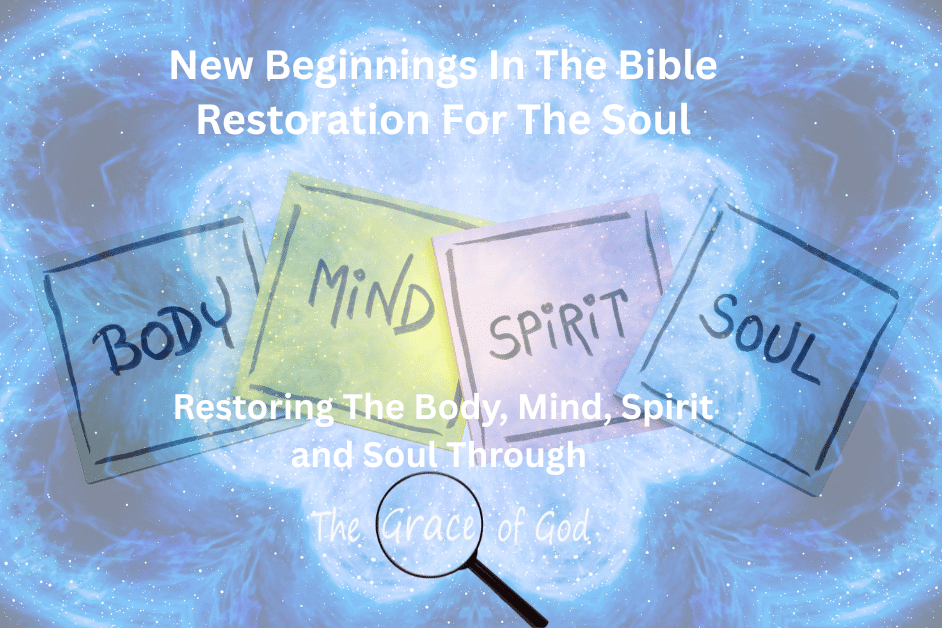
New Beginnings In the Bible -Restoration For The Soul
New beginnings in the Bible center on spiritual transformation through Christ, God’s promise to do something new (Isaiah 43:18-19, daily renewal of compassion (Lamentations 3:22-23), and the ultimate new creation in (Revelation 21:1-5). Emphasizing a fresh start, forgiveness, and hope through faith in God’s ongoing work and Jesus’s new way. Key themes include leaving the past behind, putting on a new self, and receiving God’s grace for a new life in Him.
Let me confess that this post is as much for me as it is for anyone who reads it. Life things can take our spiritual awareness away, and we often have to be jolted back to reality.
Foundational Biblical New Beginnings
- Creation (Genesis 1:1): The ultimate new beginning where God brought the universe into existence.
- The Flood (Genesis 6–9): After cleansing the earth of wickedness, God established a new covenant with Noah and humanity, symbolized by a rainbow.
- The Exodus (Exodus 12:2): God designated the month of deliverance from Egypt as the “beginning of months,” marking a fresh national start for Israel.
- Return from Exile (Ezra 1:1): After 70 years of captivity, God stirred King Cyrus to allow the Jewish people to return to Jerusalem and rebuild, fulfilling ancient prophecies.
Key Bible Verses on Fresh Starts
- Internal Renewal: “I will give you a new heart and put a new spirit in you…” (Ezekiel 36:26).
- The New Creation: “Therefore, if anyone is in Christ, the new creation has come: The old has gone, the new is here!” (2 Corinthians 5:17).
- God’s Continuous Work: “Forget the former things; do not dwell on the past. See, I am doing a new thing!” (Isaiah 43:18-19).
- Daily Mercies: “The Lord’s compassions… are new every morning; great is your faithfulness.” (Lamentations 3:22-23).
Spiritual Transformation
The New Testament emphasizes a “new birth” or being “born again” as a prerequisite for entering the kingdom of God (John 3:3). This spiritual restart involves putting off the “old self” and being “renewed in the spirit of your minds” (Ephesians 4:22-24).
What Hinders People From Experiencing New Beginnings
In the Bible, experiencing a new beginning often requires leaving behind specific mental and spiritual weights. Several key factors are identified as significant hindrances:
- Dwelling on the Past: The most common barrier is an inability to “forget the former things”. This includes:
- Fondness for the “Good Old Days”: Mentally anchoring in past seasons prevents engagement with present realities.
- Guilt and Shame: Believing past sins or failures permanently disqualify you from God’s new plans.
- Unforgiveness: Holding onto past injuries or injuries to your ego prevents emotional and spiritual healing.
- Fear and Uncertainty: Fear acts as a “paralyzing” force that stops people from stepping into God’s plans.
- Fear of the Unknown: The “not knowing” what could happen can prevent someone from taking the necessary, difficult paths.
- Birthing Anxiety: A specific nervousness or feeling of being overwhelmed when trying to release something new.
- Fear of Failure or Rejection: Worrying about how others perceive a new endeavor or failing at it leads to procrastination.
- Internal Spiritual Barriers
- Unbelief: Doubting God’s promises or His power to accomplish them can prevent you from entering your “promised land”.
- Pride: Choosing yourself over God or others and believing you do not need to change.
- Spiritual Stagnation: Becoming “stagnant in spirit” or complacent, where you go through the motions of life while being indifferent to seeking God.
- Unconfessed Sin: Known sin creates a rift between the individual and God, stunting spiritual progress.
- External and Lifestyle Pressures
- Worldly Distractions: Materialism, excessive entertainment, and the “constant noise” of modern life divert attention from spiritual matters.
- Cultural Conformity: Prioritizing societal approval over biblical truth can stop spiritual maturity.
- Negative Influences: Surrounding yourself with people who do not share your values or desire for growth.
- Lack of Discipline: A fresh start often requires new habits. Hindrances include:
- Spiritual Laziness: Wanting maturity and change without the consistent effort of prayer, Bible study, or self-reflection.
- Perfectionism: Refusing to start because you cannot do it perfectly or according to a specific idealized vision.
What Are Practical Ways to Overcome Spiritual Laziness That Hinder New Beginnings
To overcome spiritual laziness (often referred to in theology as acedia or sloth), you must replace passive indifference with intentional, disciplined action.
- Shift from Feelings to Action
- Do not wait for motivation: Feelings often follow actions. Start doing the “hard things” first—like prayer or scripture study—even when you do not feel like it.
- Force meaningful engagement: If your mind drifts during Bible reading or your prayers feel like they are “bouncing off the ceiling,” push through the discomfort anyway.
- Start with “small bites”: Break overwhelming spiritual goals into manageable, achievable tasks to avoid paralysis.
- Establish Structured Disciplines
- Adopt a “ritual” over a routine: Create a consistent daily schedule, such as a morning “P-O-W-E-R” routine, to build habits.
- Prioritize the “Secret Place”: Dedicate specific, non-negotiable times for prayer and immersion in the Bible to counteract worldly distractions.
- Utilize “Medicine” for the soul: Listen to sound biblical preaching or worship music daily to reshape your desires and slay apathetic thoughts.
- Lean on Godly Community
- Invite accountability: Confess your struggle to a mentor or small group. Their external motivation can sustain you when personal willpower fails.
- Serve others: Spiritual laziness is often rooted in self-centeredness. Engaging in acts of charity or community service can reignite your passion and provide a sense of purpose.
- Address the Spiritual Root
- Confess and Repent: Treat spiritual apathy as a sin to be confessed rather than just a personality trait.
- Ask for Holy Spirit empowerment: Pray specifically for God to “invigorate your spirit” and “boil with zeal” for His will.
- Practice Gratitude: Regularly listing things you are thankful for shifts your focus from what you lack to God’s presence, fostering a deeper connection.
Summary
To overcome spiritual laziness in 2026, believers are encouraged to move beyond passive “waiting” and engage in active, disciplined pursuit of God. Biblical and practical summaries emphasize that this transition is crucial for embarking on a “new beginning.”
Summary of Key Strategies
- Prioritize Direct Communion: The foundational step is turning to God through prayer to ask for strength, a renewed mind, and an invigorated spirit. This includes specific prayers for the Holy Spirit to “quicken” or boil your spirit with zeal.
- Implement Structured Disciplines: Replace inconsistent habits with a non-negotiable routine for Bible study and prayer. Starting with small, manageable “steps” rather than unachievable goals helps prevent paralysis.
- Seek Wisdom and Accountability: Actively seek biblical instruction and model your life after diligent role models. Confessing struggles to a godly community provides necessary external motivation and encouragement.
- Combat Procrastination and Perfectionism: Perfectionism is often used as a “cloak” for laziness; focus on steady progress rather than immediate perfection. Do the “hard things” first—such as difficult conversations or early morning devotions—to build a sense of accomplishment.
- Reject Worldly Distractions: Intentionally resist the “noise” of entertainment and cultural conformity that lulls the spirit into a lukewarm state.
Core Theological Perspective
In 2026, remember spiritual laziness is often framed as a “sluggardly” heart attitude that avoids the demands of growth. True rest is meant to rejuvenate, while laziness is the refusal to take up God-given responsibilities. Overcoming it requires a shift from listening to personal doubts to actively “speaking truth” to oneself through scripture.
10 Bible Verses For a Fresh Start