What Is Humility in The Bible
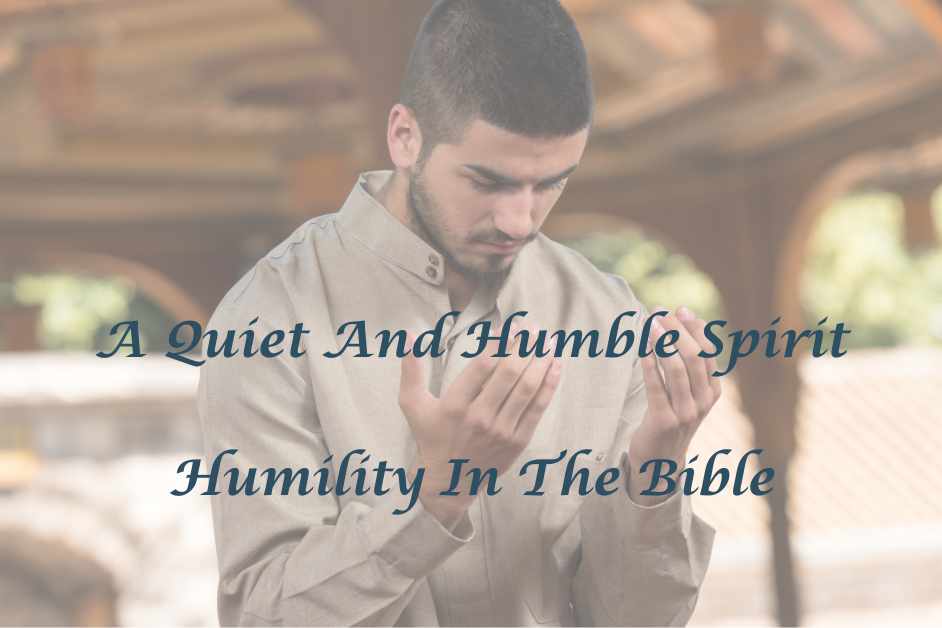
What Is Humility in The Bible
Biblical Humility Indicates Submission:
- Submission to God: Recognizing God’s authority and relying on His grace, not our own strength (Proverbs 3:5-9). This scripture tells us to always (In all thy ways, acknowledge him; and he shall direct thy paths.”
This is where we often forget that every thing we are inspired to do needs to go before the Lord to make sure we are on the right path. We forget, we stumble on and then remember that we did not consult with the Lord.
- Service to Others: Prioritizing others’ needs above our own (Philippians 2:3), embodying a servant’s heart (John 13:1-16):
Humility in Scripture is never passive; it expresses itself through service. When Paul says, “in lowliness of mind let each esteem other better than themselves,” he is calling believers to a posture that actively looks for ways to lift others up.
This kind of humility doesn’t ask:
“What do I want first?” but rather, “How can I bless someone else today?”
Jesus modeled this perfectly when He washed the disciples’ feet; a task reserved for the lowest servant. He showed that true greatness in God’s kingdom is found in kneeling, not climbing. Humility serves quietly, willingly, and without seeking recognition, because it reflects the heart of Christ Himself.
- A “Lower” Position: Taking the form of a servant, not seeking high status (Philippians 2:8).
Biblical humility is not about pretending to be less valuable; it is about choosing a lower place even when you could demand a higher one. Jesus, who had every right to be honored, “humbled Himself” and took on the form of a servant. This teaches us that humility is a voluntary posture.
It is the willingness to step down so others can step forward, to take the unnoticed role, to do the work no one else wants to do. In a world obsessed with titles, platforms, and recognition, humility quietly chooses faithfulness over fame. It trusts that God sees what others overlook and that He exalts in His timing, not ours.
- Teachable Spirit: Being open to correction and wisdom, rather than proud (Proverbs 11:2).
Humility opens the door to growth:
Scripture teaches that pride blinds, but humility makes the heart receptive.
A teachable spirit is willing to listen, willing to learn, and willing to admit when it is wrong. It doesn’t resist correction or cling to its own understanding.
Instead, it welcomes wisdom; from God’s Word, from the Holy Spirit, and from Godly counsel. Proverbs connects humility with honor because those who are teachable become wise, and those who are wise walk securely.
A humble believer says, “Lord, show me where I need to change,” trusting that God’s correction is always for their good.
Jesus is One of The Main Examples in the Bible:
- Jesus Christ: The ultimate model, who humbled himself to die on the cross (Philippians 2:5-8).
“Let this mind be in you, which was also in Christ Jesus:” 6Who, being in the form of God, thought it not robbery to be equal with God: 7But made himself of no reputation, and took upon him the form of a servant, and was made in the likeness of men: 8And being found in fashion as a man, he humbled himself, and became obedient unto death, even the death of the cross.”
- Mary, Mother of Jesus: Accepted her challenging role with submission (Luke 1:26-34).
- John the Baptist: “He must increase, but I must decrease” (John 3:30).
- Children: Jesus cited them as examples of humility (Matthew 18:4).
Scriptures For A Meek And Lowly Spirit
- Meekness: Gentle, surrendered strength (Matthew 5:5).
Matthew 11:29: Jesus describes himself to offer rest to the weary: “Take my yoke upon you, and learn of me; for I am meek and lowly in heart; and ye shall find rest unto your souls.” v30: “For my yoke is easy and my burden is light.”
A gentle spirit, and the honor that accompanies a lowliness of heart rather than pride, such as in 1 Peter 3:4 “But let it be the hidden man of the heart, in that which is not corruptible, even the ornament of a meek and quiet spirit, which is in the sight of God of great price.” and…
Proverbs 29:23: “A man’s pride shall bring him low: but honour shall uphold the humble in spirit.”
- Lowliness– A modest view of one’s self; is the quiet posture of the heart that refuses to elevate itself. It is not self‑hatred or insecurity; it is honesty. It recognizes that everything we are and everything we have comes from God.
Paul connects lowliness with gentleness and patience because a humble heart does not need to prove itself or push itself forward. Lowliness frees us from comparison, competition, and the pressure to appear impressive.
Instead, it allows us to walk in peace, knowing our worth comes from God alone. This kind of humility creates unity, softens relationships, and reflects the character of Christ, who described Himself as “meek and lowly in heart.”
- Surrender: Giving up control to God’s will.
Surrender is one of the deepest expressions of humility because it acknowledges that God knows better than we do. It is the willingness to release our grip on outcomes, timing, and personal desires.
Humility says, “Lord, I trust Your way more than my own understanding.” Surrender is not passive; it is active faith. It is choosing to let God lead even when His path is unclear, uncomfortable, or slower than we hoped.
True humility bows the heart before God and says, “Not my will, but Yours be done,” believing that His plans are wiser, safer, and more loving than anything we could design for ourselves.
- Submission: Submitting to God’s authority (1 Peter 5:6).
Submission is humility in action. It is the decision to place ourselves under God’s authority, trusting His leadership and obeying His Word. Peter’s instruction to “humble yourselves under the mighty hand of God” reminds us that submission is not weakness; it is protection.
When we submit to God, we are choosing His covering, His wisdom, and His timing. Submission means we stop resisting His correction, stop fighting His direction, and stop insisting on our own way.
It is the posture that says, “Lord, You are God, and I am not.” And the promise attached to this humility is beautiful: “He will exalt you in due time.” God lifts up those who bow before Him.
Summary with Additional Bible Verses on Humility:
- James 4:10: “Humble yourselves in the sight of the Lord, and He will lift you up.”
- Proverbs 22:4: “The reward for humility and fear of the Lord is riches and honor and life.”
- Philippians 2:3: “…in lowliness of mind let each esteem others better than himself.”
Additional Commentary:
Christian Self-Awareness: Examining Ourselves
What Does The Bible Say About Humility
Am I Truly Walking With God? How to Test Your Steps