Good Qualities in People That Stand Out
Good Qualities in People That Stand Out
In a world that often measures success by status, wealth, or outward appearance, we sometimes forget that the real measure of a person lies within. It comes from their qualities that shape who they are and how they treat others. Good qualities are not just admirable traits we notice in others; they are the foundation of meaningful relationships, strong communities, and personal peace.
When we think of people who have influenced our lives for the better, they are rarely the loudest or the wealthiest. They are usually the ones who listened, cared, and treated others with respect. Their character left a lasting imprint on our hearts.
Here are some of these good qualities and how they help people interact effectively and kindly with others.
1. Kindness: The Universal Connector
Kindness may sound simple, but it has the power to transform any environment. A kind word, a gentle smile, or an encouraging gesture can reach farther than we realize. When people act with kindness, they create a sense of safety and warmth that draws others in.
Kindness breaks down barriers and allows honest communication. It softens tension, invites cooperation, and often brings out the best in those around us. In every relationship, personal or professional, kindness is the first bridge to understanding.
2. Respect: The Cornerstone of Healthy Relationships
Respect acknowledges the worth of another human being — even when opinions differ. Respectful people listen without interrupting, disagree without belittling, and treat others’ time, boundaries, and perspectives with value.
When respect governs how we speak and act, it builds trust. And trust, in turn, strengthens every relationship we have. Whether at home, at work, or in daily encounters, mutual respect opens the door to positive and lasting connections.
3. Honesty: The Foundation of Authenticity
Honesty doesn’t just mean telling the truth; it means living truthfully; being genuine about who we are. Honest people bring light into every interaction because others know they can rely on their word.
When honesty is practiced with empathy, it strengthens relationships instead of tearing them down. It promotes integrity, clarity, and confidence. A person who is truthful, yet compassionate in their communication, earns deep respect and loyalty.
4. Empathy: Seeing Through Another’s Eyes
Empathy allows people to connect on a level that facts and logic alone cannot reach. It means putting ourselves in another’s place and feeling what they feel, not to take on their pain, but to understand it.
Empathetic people listen not to respond, but to understand. They don’t rush to fix; they seek to connect. This makes them approachable, comforting, and trustworthy. Empathy creates a sense of belonging that helps people feel seen and valued, a gift the world always needs more of.
5. Patience: The Strength to Wait and Understand
In a fast-moving world that values instant results, patience has become rare, but it’s a powerful quality that speaks of maturity and strength. Patience allows people to pause, to give others room to grow, to learn, and to make mistakes.
When we show patience, we demonstrate grace. It changes the tone of our interactions and helps us respond wisely instead of reacting harshly. Patience builds better communication and stronger, more resilient relationships.
6. Humility: The Quiet Strength
Humility is often misunderstood as weakness, but it is actually one of the strongest qualities a person can have. A humble person doesn’t need to prove their worth; they already know who they are.
Humility invites collaboration and harmony. It helps people admit when they’re wrong, ask for help, and celebrate others’ successes without envy. This kind of quiet strength inspires respect and gratitude in every relationship.
7. Gratitude: The Heart of Positive Connection
Gratitude transforms how we see others and ourselves. People who live with gratitude tend to speak words of encouragement, not complaint. They notice the good in others and express appreciation openly.
When gratitude becomes a habit, it shifts the tone of interactions. It brings joy, reduces resentment, and builds bridges even in challenging relationships. A thankful person is pleasant to be around because they radiate contentment and peace.
8. Forgiveness: Letting Go to Move Forward
Every relationship, even the healthiest, will face misunderstandings or hurt feelings. The ability to forgive is one of the most freeing qualities we can develop.
Forgiveness doesn’t mean pretending something didn’t happen; it means choosing to release bitterness so healing can take place. People who forgive interact with others from a place of peace rather than pain. They model maturity and demonstrate that love and compassion are stronger than pride or resentment.
9. Reliability: The Consistency That Builds Trust
Good intentions matter, but consistency proves them. Reliable people keep their promises and follow through on their word. They show up when needed, even when it’s inconvenient.
In relationships, reliability communicates love and respect; it says, “You can count on me.” Whether as a friend, co-worker, or family member, being dependable creates stability and peace in the lives of others.
10. Positivity: The Light That Lifts Others
Positivity isn’t about ignoring problems or pretending everything is fine. It’s about choosing hope and focusing on solutions rather than complaints.
A positive person uplifts others. They bring calm to chaos and encouragement to discouragement. Their words build rather than tear down. This quality spreads quickly, creating environments where others feel energized and capable. The Ripple Effect of Good Qualities
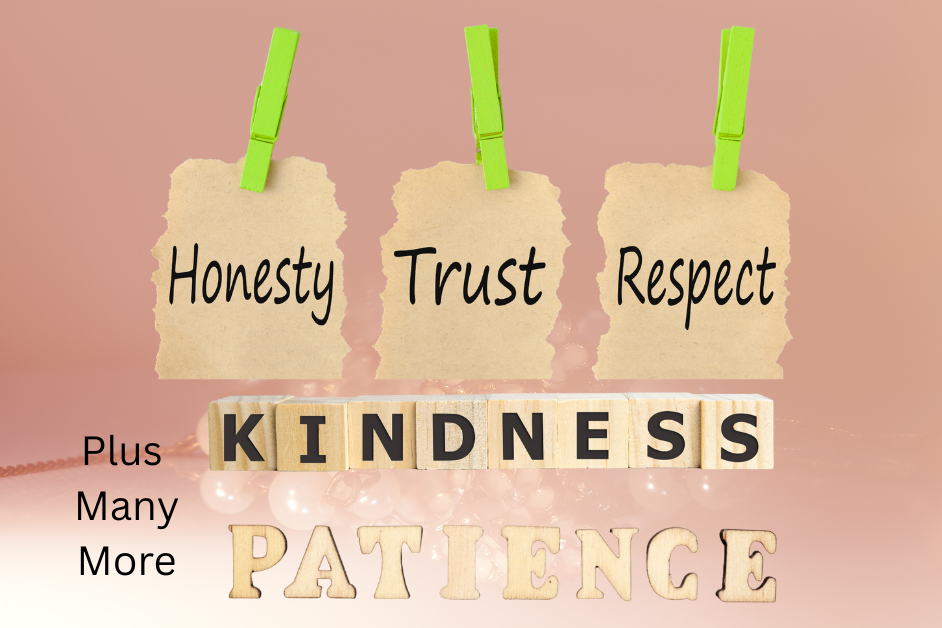
Each of these qualities — kindness, respect, honesty, empathy, patience, humility, gratitude, forgiveness, reliability, and positivity- doesn’t exist in isolation. They blend and flow into one another, forming the character of a person who genuinely cares about others.
When we nurture these traits within ourselves, they affect how we communicate, listen, and respond. They determine whether we build bridges or walls, heal wounds or deepen them.
Good qualities don’t just make us better people; they make us better together. They strengthen families, communities, and even workplaces. And the beautiful truth is this: no one is born with all of them perfectly — they are learned, practiced, and lived out daily through choices big and small.
Final Thought
Good qualities are not meant to make us perfect; they are meant to make us present, aware of the impact we have on others, and intentional about using that influence for good.
When we cultivate these qualities, our interactions change. We become the kind of people others want to know, trust, and emulate. In doing so, we leave behind something far more valuable than success: we leave behind love, understanding, and a legacy of kindness.
Don’t forget to wear a smile.
Why Confidence, Dignity & Self-Worth Speak-Louder Than “Sexy”