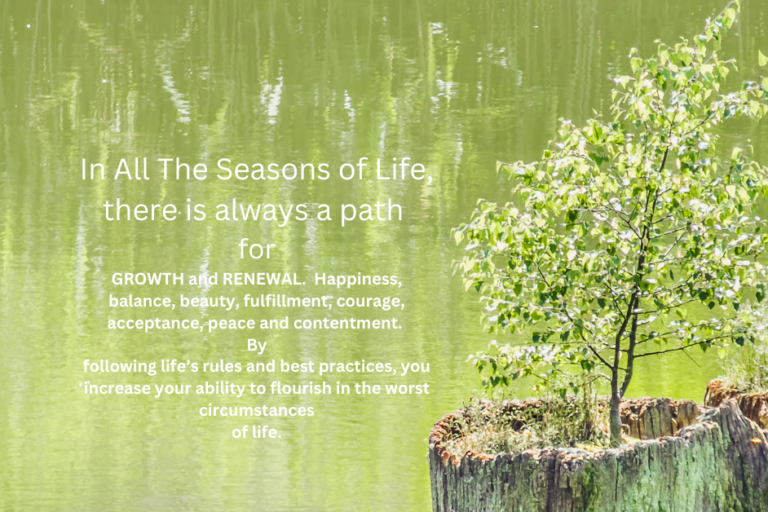
Emotional Maturity-Why It Matters

Emotional Maturity-Why It Matters
It’s the unfussy foundation beneath every meaningful connection, every calm response to challenge, every real moment of growth. Emotional maturity isn’t flashy. It doesn’t announce itself; it’s the steady ground on which we stand when storms come and go.
It manifests not in what we say, but in what we choose not to say; not in how loudly we react, but in how quietly we reflect. In a world that prizes instant feedback and quick fixes, emotional maturity is the patient practice of pausing, considering, and responding with intention.
Emotional maturity also isn’t about never feeling upset, frustrated, or disappointed. It’s about how you respond when those feelings show up. It’s the ability to stay steady in the storm, to think before you speak, and to choose actions that build rather than break.
The truth is, emotional maturity isn’t something we’re born with; it’s something we grow into. And it’s not reserved for a certain age. Whether you’re in your twenties learning to navigate the workplace or in your sixties refining relationships, emotional maturity is a lifelong skill that can improve your peace, your relationships, and your sense of self.
What Emotional Maturity Means
Many people confuse emotional maturity with being “serious” or “reserved,” but that’s not it at all. Emotional maturity is about:
- Self-awareness – Recognizing your emotions as they happen instead of only noticing them after you’ve reacted.
- Self-control – Managing your reactions rather than letting them control you.
- Empathy – Understanding and respecting the feelings of others, even when you disagree.
- Responsibility – Owning your words, actions, and their consequences.
In short, it’s living in a way that reflects your values, keeps your emotions in check, and allows you to handle life’s ups and downs with grace.
Why Emotional Maturity Matters
Embracing emotional maturity is not about perfection; it’s about progress. As you begin to practice greater self-awareness, empathy, and responsibility, you’ll notice subtle yet powerful shifts in daily life. The changes may be small at first, but they ripple outward, shaping how you experience challenges, nurture relationships, and respond to disappointments.
Little by little, you become more grounded, resilient, and thoughtful in your approach, and these habits start to show up in the way you interact with others and handle the world around you. Here are some signs that you’re growing on this journey:
When you develop emotional maturity, you:
- Reduce unnecessary conflict in relationships.
- Build trust and respect with others.
- Make better decisions because you think beyond the heat of the moment.
- Experience more peace, even when life is messy.
Consider this: two people get cut off in traffic. One honks, yells, and carries that frustration into their day. The other takes a deep breath, reminds themselves they don’t know the other driver’s story, and lets it go. Both had the same situation, but one protected their peace. That’s emotional maturity at work.
Signs You’re Growing in Emotional Maturity
You might be on the path to emotional maturity if you:
- Pause before reacting – You give yourself a moment to breathe before responding.
- Listen to understand – You focus on the other person’s words instead of forming your comeback while they’re speaking.
- Let go of grudges – You choose peace over resentment.
- Admit when you’re wrong – You own your mistakes without excuses.
- Stay steady in disagreement – You can disagree without attacking or shutting down.
Common Roadblocks to Emotional Maturity
Even with the best intentions, certain habits can stunt growth:
- Taking everything personally – Not every comment is a criticism, and not every disagreement is rejection.
- Avoiding difficult conversations – Maturity means facing issues, not sweeping them under the rug.
- Reacting without reflection – Quick responses can cause long-term regret.
- Needing to “win” every argument – Sometimes the healthiest choice is to value the relationship over being right.
Recognizing these roadblocks is the first step toward removing them.
How to Develop Emotional Maturity
This isn’t about becoming perfect; it’s about practicing better responses over time.
- Check in with yourself daily – Ask, “What am I feeling right now?” Naming emotions reduces their power over you.
- Respond, don’t react – Count to three before replying when emotions run high.
- Seek perspective – Ask, “Will this matter in a month? In a year?”
- Set healthy boundaries – Protect your peace without guilt.
- Learn from setbacks – Treat mistakes as lessons, not failures.
Daily Habits That Strengthen Emotional Maturity
- Journaling – Reflect on your day and how you handled challenges.
- Practicing gratitude – A grateful mind is less reactive.
- Mindful breathing – Even 60 seconds of deep breathing can shift your mood.
- Reading and learning – Expand your understanding of people, cultures, and perspectives.
- Serving others – Kindness often brings out patience and understanding.
Closing Encouragement
Emotional maturity isn’t a finish line; it’s a lifelong journey. Some days you’ll respond with grace; other days, you’ll look back and think, I could have handled that better. But every pause, every reflection, and every intentional choice helps you grow.
Choosing emotional maturity is choosing peace over chaos, growth over comfort, and understanding over judgment. And the more you practice, the more natural it becomes—transforming not just your own life, but the lives of everyone around you.
Emotional Well-Being Often Peaks In Later Life
Emotional Awareness Means Self-Discovery